July 17, 2026
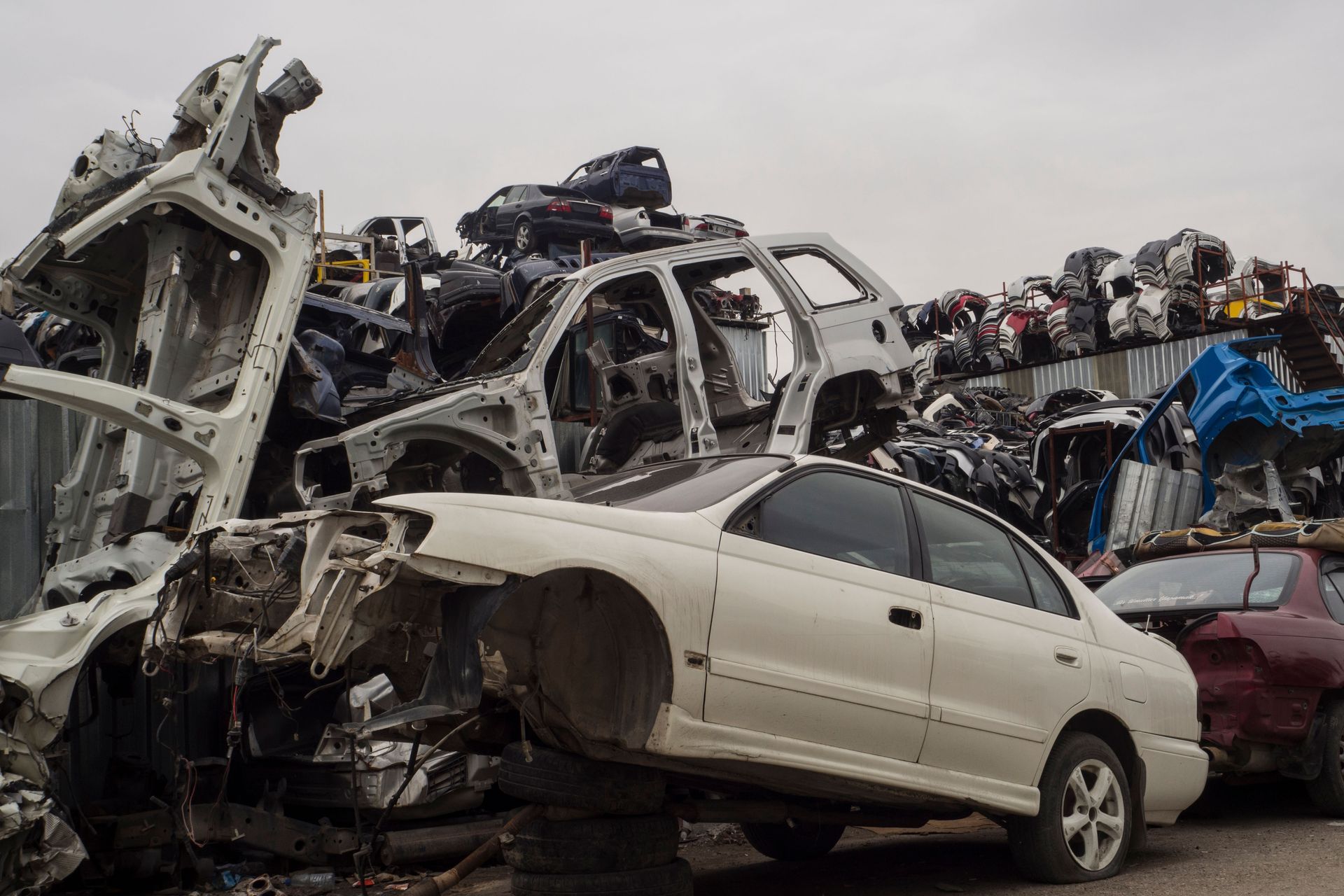
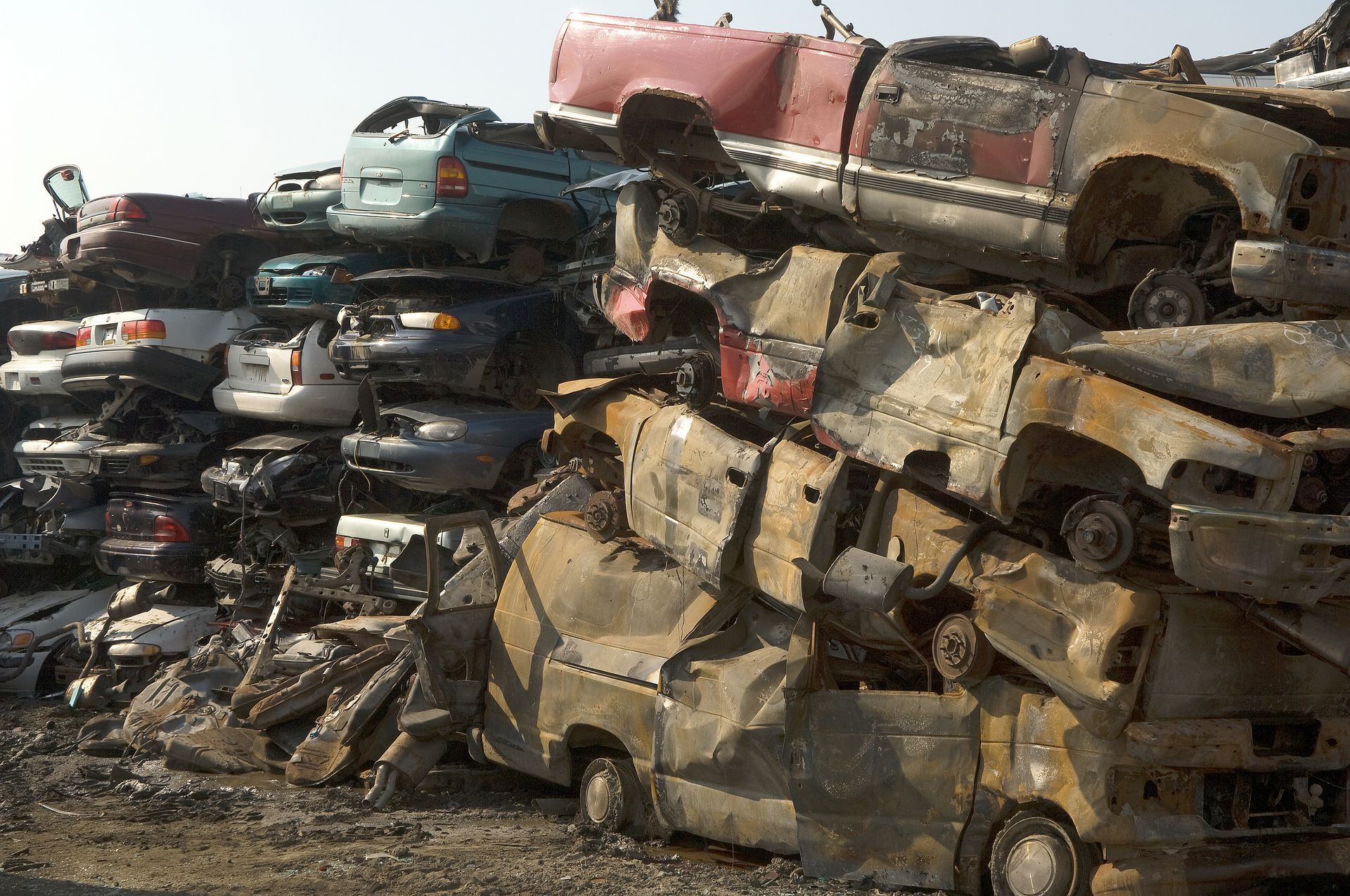
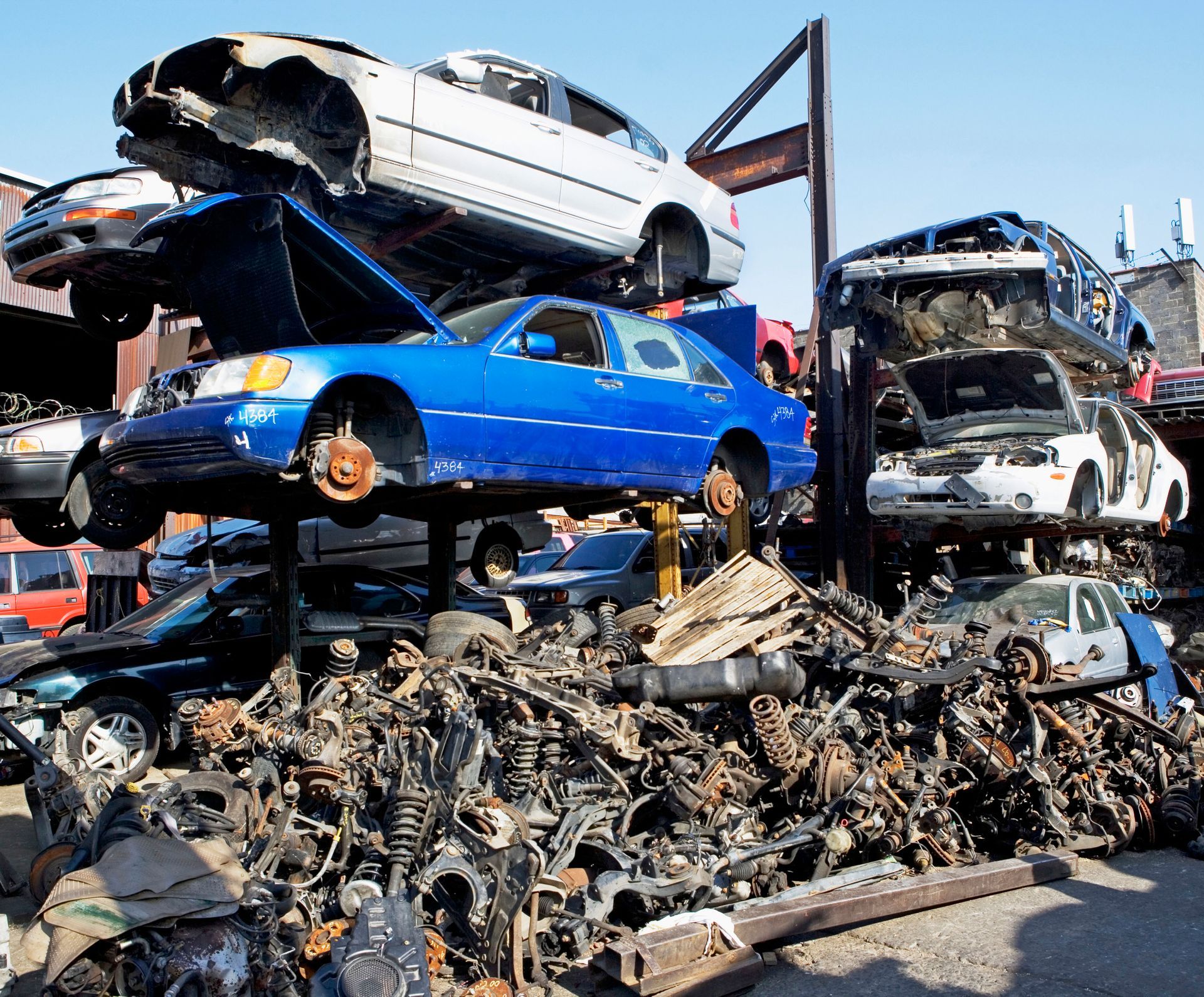
When a vehicle is damaged, aging, unreliable, or no longer worth repairing, salvage service can offer a practical way to move forward. Many drivers contact auto salvage companies when they need help removing an unwanted vehicle, selling a junk car, or finding a responsible option after an accident. However, the process can feel confusing if you have never worked with a salvage yard before. Knowing what to ask, what paperwork to prepare, and how to compare service options can help you avoid delays. Salvage service can involve towing, parts recovery, recycling, title review, and value estimates based on condition. By learning how auto salvage companies operate, you can approach the process with more confidence and choose a service that fits your situation.
Understanding How Salvage Services Work
Auto salvage companies help drivers handle vehicles that may not have much resale value in the traditional market. This can include cars with major mechanical problems, collision damage, rust, missing parts, or high mileage. Instead of trying to sell the vehicle privately, drivers may work with a salvage service that can evaluate the car and arrange pickup.
In many cases, the salvage yard determines value based on the vehicle’s make, model, year, weight, usable parts, condition, title status, and current scrap metal demand. Even if a car does not run, it may still have parts that can be reused or recycled.
Drivers should ask what is included before agreeing to service. Some auto salvage companies provide towing, while others may charge separately depending on distance, vehicle condition, or location. Understanding these details early can help prevent confusion when the vehicle is ready for removal.
Comparing Value Before Making Decisions
Before choosing a salvage option, it is helpful to understand what your vehicle may be worth. Salvage value is usually different from private-party value because the vehicle is assessed for parts, materials, and recovery potential rather than everyday driving use. Drivers should be realistic about the condition of the vehicle, especially if it has frame damage, engine trouble, flood damage, or missing components.
It may also help to contact more than one salvage provider. Different auto salvage companies may use different pricing methods, and offers can vary based on demand for parts or scrap materials. When comparing offers, pay attention to more than the quoted amount. Ask whether towing is included, whether there are administrative fees, and how payment is handled.
Clear comparisons help drivers focus on the total experience rather than the number alone. A slightly lower offer may be more convenient if it includes prompt pickup and clear paperwork support, while a higher offer may not be as valuable if hidden charges reduce the final amount.
Reviewing Licensing and Documentation
Paperwork is one of the most important parts of working with a salvage service. Drivers should be prepared to show proof of ownership, which may include a vehicle title, registration, or other required documents depending on the state. If the title is missing, damaged, or not in your name, ask about the next steps before scheduling pickup.
Licensing also matters because salvage yards often operate under state-specific rules. According to World Metrics, citing the National Auto Recyclers Association (NARA), 90% of U.S. states require auto salvage yards to be licensed, though fees and renewal requirements vary. This is one reason drivers should ask whether the business follows applicable state requirements before releasing a vehicle.
Reputable auto salvage companies should be able to explain what documents are needed and how ownership transfer works. Drivers should also remove personal belongings, license plates if required by state law, and insurance or registration items before the vehicle leaves their property.
Preparing the Vehicle for Pickup
Once you decide to move forward, preparing the vehicle can make the process smoother. Start by checking the glove compartment, center console, trunk, under seats, door pockets, and any storage areas for personal items. Many drivers forget paperwork, tools, electronics, sunglasses, garage remotes, or emergency supplies inside vehicles they no longer use.
Next, consider whether any parts should stay with the car. Some auto salvage companies may adjust an offer if major components are removed before pickup. If the original quote was based on a complete vehicle, removing the battery, catalytic converter, tires, or other parts could change the final value. Always ask before taking anything off the vehicle.
Drivers should also make sure the vehicle is accessible for towing. If it is parked in a tight driveway, blocked by other vehicles, stuck in mud, or missing wheels, the salvage provider may need special equipment. Sharing these details ahead of time helps the company plan for pickup and reduces the chance of rescheduling.
Asking Clear Questions Before Scheduling
Communication can make a major difference when working with auto salvage companies. Before confirming an appointment, ask who will pick up the vehicle, when they will arrive, what documents are required, and how payment will be made. Ask whether the quoted amount is guaranteed or subject to change after inspection.
Drivers should describe the vehicle honestly. If the car does not start, has been in an accident, has missing parts, or has a title issue, sharing that information upfront helps create a more accurate quote. Surprises at pickup can delay the process or lead to a revised offer.
It is also wise to ask about cancellation policies, towing fees, and service areas. Some salvage providers may offer same-day or next-day pickup, while others may need more time depending on scheduling and distance. Clear expectations help both sides avoid frustration, especially when the vehicle is taking up space or needs removal quickly.
Recognizing the Benefits of Responsible Salvage
Working with salvage services can be practical for drivers, but it can also support responsible material reuse. Vehicles contain metals, fluids, tires, glass, wiring, and parts that must be handled carefully. Auto salvage companies may recover usable components, recycle metals, and dispose of certain materials in accordance with applicable regulations.
This process can keep vehicles from sitting unused on private property, where they may leak fluids, attract pests, or create safety concerns. Salvage service can also help drivers clear space in a garage, driveway, yard, or commercial lot.
Drivers should remember that salvage is not limited to cars that are destroyed. A vehicle may be a good candidate if repair costs exceed its value, if it failed inspection, if it has been sitting for years, or if it is no longer dependable. Auto salvage companies can often help drivers decide whether salvage service makes sense based on the vehicle’s condition and ownership status.
Choosing Service With Confidence
The best salvage experience starts with preparation. Drivers who gather documents, ask clear questions, compare offers, and understand pickup requirements are more likely to avoid common problems. They are also better equipped to recognize professional communication, fair terms, and a straightforward process.
Before committing, review the details one last time. Confirm the pickup location, payment method, title requirements, towing arrangements, and final offer. These small steps can make working with auto salvage companies easier from start to finish.
When a vehicle has become too expensive to repair or too difficult to keep, salvage service may provide a convenient solution. With the right questions and preparation, drivers can feel more comfortable choosing the next step for an unwanted, damaged, or non-running vehicle. Call A Plus Auto Salvage Inc today to schedule your auto salvage service.