March 17, 2026
Auto salvage businesses play a vital role in today’s automotive ecosystem. They offer solutions that help car owners save money while promoting environmental sustainability through responsible recycling and parts recovery. By understanding how these services operate, consumers can make smarter decisions when maintaining or repairing their vehicles. In this article, we explore how auto services operate, their benefits, and how you can engage with them effectively to extend your vehicle’s life and maximize value. Let’s take a closer look at the many ways auto salvage services impact both the automotive industry and everyday drivers.
Understand How Auto Salvage Businesses Work
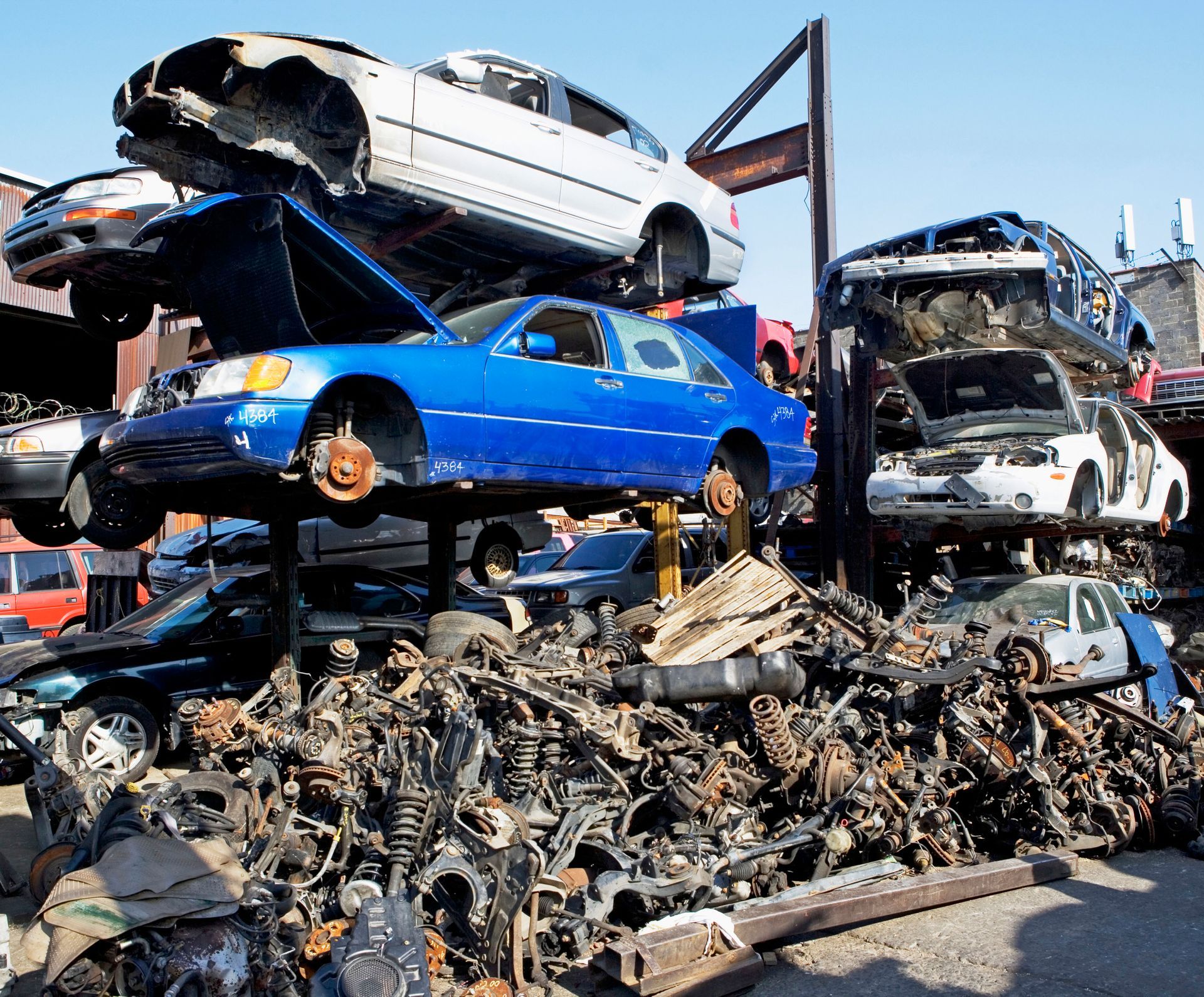
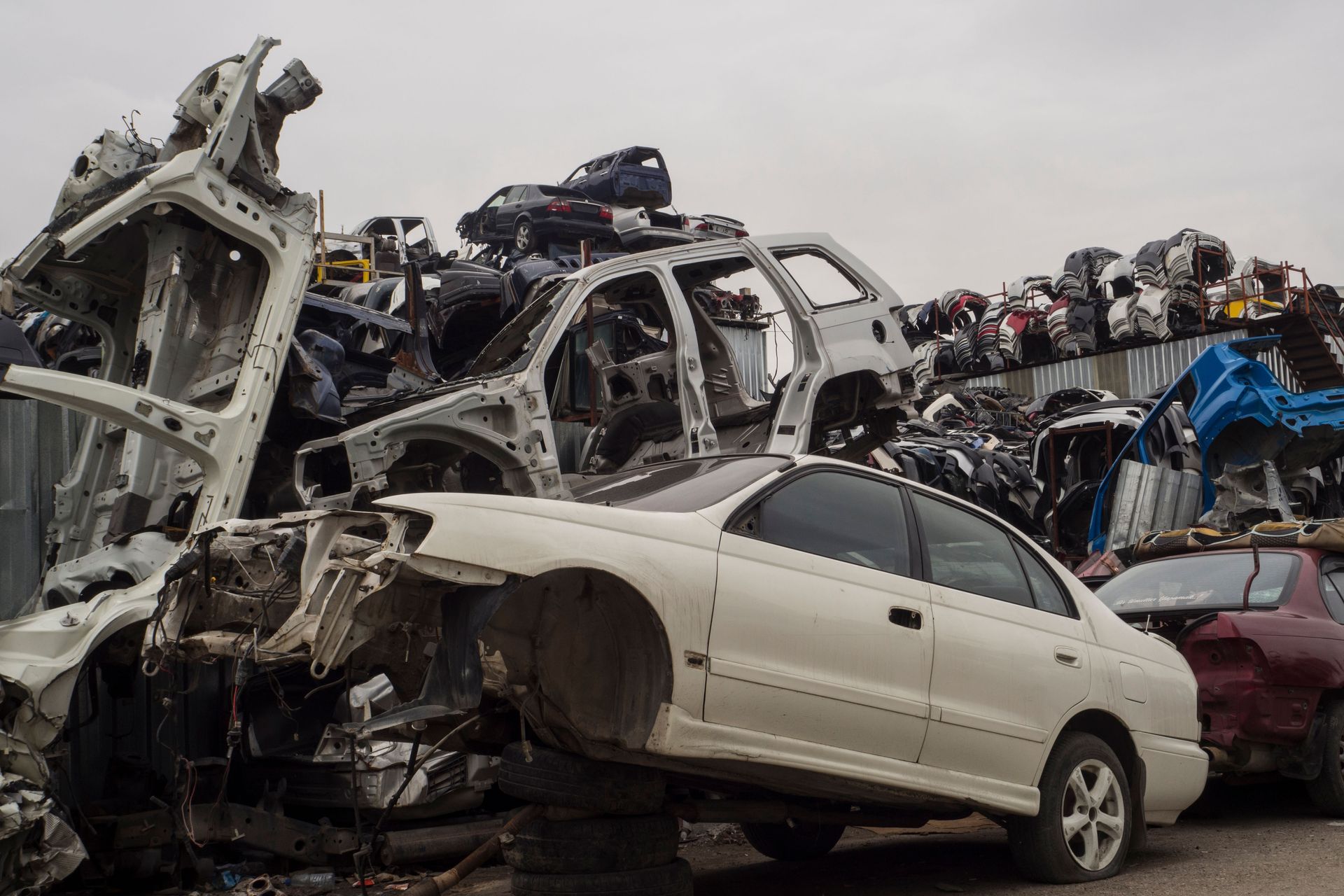
Auto services are businesses that dismantle vehicles that are no longer roadworthy or are too costly to repair. These services recover reusable parts and materials that can be resold or recycled. Salvage yards store damaged or aged vehicles and carefully extract components like engines, transmissions, wheels, tires, suspension systems, and auto body parts. Customers can purchase these components as a cost-effective alternative to new parts, making auto salvage businesses an affordable and sustainable option for vehicle maintenance. Additionally, salvaging parts reduces waste and supports a circular economy by keeping usable materials in circulation instead of sending them to landfills.
Identify Key Players in Auto Salvage Services
The auto salvage industry involves multiple stakeholders working together to maximize vehicle recovery. Salvage yards serve as collection points for end-of-life vehicles. Dismantlers carefully extract parts, ensuring components remain undamaged and usable. Recyclers handle materials that cannot be reused in their current form, such as metals, plastics, and hazardous fluids. Parts retailers then distribute salvaged components to consumers and repair shops. This integrated system ensures every vehicle contributes maximum value while promoting environmental responsibility.
Explore Industry Trends and Statistics
The demand for recycled auto parts is rising steadily as consumers look for cost-effective solutions. Salvage operations are growing due to sustainability concerns and technological advancements in dismantling and recycling processes. Additionally, emerging markets worldwide are increasing the need for affordable parts, signaling robust growth for auto salvage services. The industry is evolving to meet consumer demands while aligning with global efforts to reduce waste and promote eco-friendly automotive practices.
Comply With Regulations
Auto services must adhere to strict governmental regulations to operate legally and safely. These guidelines cover hazardous materials disposal, part exports, and resource recovery processes. Following regulations ensures that vehicles and components are recycled responsibly and public health is protected. Compliance also drives innovation, as salvage companies adopt modern technologies and sustainable practices to meet evolving standards.
Clarify Common Misconceptions
Some people assume salvaged parts are low-quality or unsafe. In reality, parts undergo thorough inspection and testing, ensuring reliability. Another myth is that salvage vehicles depreciate too quickly; however, according to Auto Insurance, salvage value is typically about 20% to 40% of a car’s pre-accident market value. Educating consumers about these facts helps them recognize the practical and financial advantages of using auto salvage services.
Conduct Vehicle Assessment and Valuation
The salvage process starts with a careful assessment of a vehicle’s condition. Skilled appraisers evaluate the extent of damage and identify components suitable for resale. Determining the vehicle’s salvage value is essential for pricing parts accurately and planning the dismantling process. According to Auto Insurance, the salvage value ranges from 20% to 40% of the car’s pre-accident market value, emphasizing the economic potential of recovery and resale.
Manage Transportation and Logistics
Once a vehicle is evaluated, efficient transportation ensures it reaches the salvage yard safely. Tow and transport services are often contracted to prevent further damage during transit. Proper logistics not only protect the vehicle but also help maintain the quality of parts for resale. This coordination is critical to the overall efficiency and success of the salvage operation.
Execute Dismantling Procedures
At the salvage yard, technicians carefully dismantle the vehicle, removing parts such as engines, transmissions, wheels, tires, suspension components, auto glass, and body panels. Using specialized equipment, they ensure valuable components remain intact and ready for reuse. This methodical process maximizes the salvageable value of each vehicle while contributing to environmental sustainability by reducing waste.
Implement Quality Control Measures
Every salvaged part undergoes rigorous inspections to ensure it meets safety and performance standards. Components that pass quality checks may come with warranties, providing customers peace of mind. Quality control demonstrates a commitment to reliability and establishes credibility within the industry. High standards in testing help make auto salvage services a practical alternative to new parts without sacrificing performance.
Finalize Documentation and Part Availability
The final phase of salvage includes documenting all extracted components, their condition, and any applicable warranties. This transparency supports regulatory compliance, efficient inventory management, and informed consumer choices. Accurate records make it easy for customers to find the parts they need while maintaining the integrity of the salvage operation.
Provide Cost Savings for Consumers
One of the most tangible benefits of auto services is affordability. Salvaged parts are typically sold at a fraction of the cost of new components, making vehicle maintenance more accessible. For older models where new parts may be hard to find, auto salvage services offer an effective solution to keep cars operational without significant financial strain.
Promote Environmental Sustainability
By recovering and repurposing materials, auto salvage services reduce the environmental footprint of vehicle maintenance. Salvaging metals, plastics, and other materials decreases the need for raw material extraction and lowers landfill usage. This approach supports sustainable practices, helping reduce carbon emissions and conserve natural resources. Choosing salvage parts is an environmentally responsible way to maintain a vehicle.
Enable Resource Recovery and Recycling
Beyond cost and environmental benefits, salvage operations emphasize resource recovery. Reusable metals, plastics, and fluids are processed for future use, promoting circular economy principles. Innovative recycling practices extend the life of materials and reduce waste, benefiting both the industry and the planet.
Ensure Legal and Safe Disposal
Proper handling of end-of-life vehicles and hazardous materials is essential. Salvage services legally manage fluids, batteries, and other potentially harmful substances, preventing soil and water contamination. Following strict disposal guidelines safeguards communities and preserves environmental quality.
Offer Convenient Access to Parts
Auto salvage services make it easier for consumers and repair shops to find affordable parts. Digital catalogs, searchable databases, and direct communication with service providers simplify part procurement. Access to salvaged components ensures older vehicles remain operational and gives consumers flexibility in managing repairs.
Foster Long-term Sustainability
Sustainability is a central focus for the future of auto salvage services. Green practices such as zero-waste operations, renewable energy adoption, and efficient recycling support environmental stewardship. By prioritizing sustainability, the industry aligns with global climate initiatives and attracts eco-conscious consumers who value responsible automotive solutions.
Expand Opportunities With Globalization
Global trade provides new avenues for salvaged parts, enabling companies to reach broader markets. Cross-border partnerships can drive technological innovation and operational improvements. Strategic international collaboration allows salvage services to grow while maintaining compliance with varied regulatory frameworks.
Adapt With Policy Changes
Future policy changes will influence operational practices for auto salvage services. Governments may enforce stricter environmental and resource management regulations. Companies that proactively adapt to these changes can capitalize on incentives for sustainable practices, ensuring long-term viability and compliance.
Engage With Auto Services
Consumers can maximize the benefits of auto salvage businesses by researching providers and evaluating cost-to-benefit ratios. Clear communication with service representatives and careful part selection ensures successful purchases. Long-term maintenance, regular inspections, and following manufacturer recommendations help sustain the reliability of salvaged components.
Auto salvage services offer substantial economic and environmental benefits while supporting vehicle longevity. By recovering parts like engines, transmissions, wheels, tires, and auto body components, they provide cost-effective solutions for maintenance and repairs. At A Plus Auto Salvage Inc., we are committed to offering reliable auto services that meet the needs of both our customers and the environment. Contact us today to learn how we can help you access high-quality salvaged parts and extend your vehicle’s life with sustainable solutions.