November 20, 2026
Explore the essentials of auto salvage services, including their role in the automotive industry, environmental impact, and how they can benefit individuals and businesses alike. Auto salvage services are a critical component in both the economy and the ecosystem. They provide a pathway for recycling, reusing, and reselling parts, which otherwise would contribute to waste. These services play a pivotal role in reducing environmental deterioration while helping car owners find affordable solutions. As the automotive industry evolves, so do auto salvage services, adapting new technologies and practices to meet demands.
Understanding Auto Salvage
The Definition of Auto Salvage
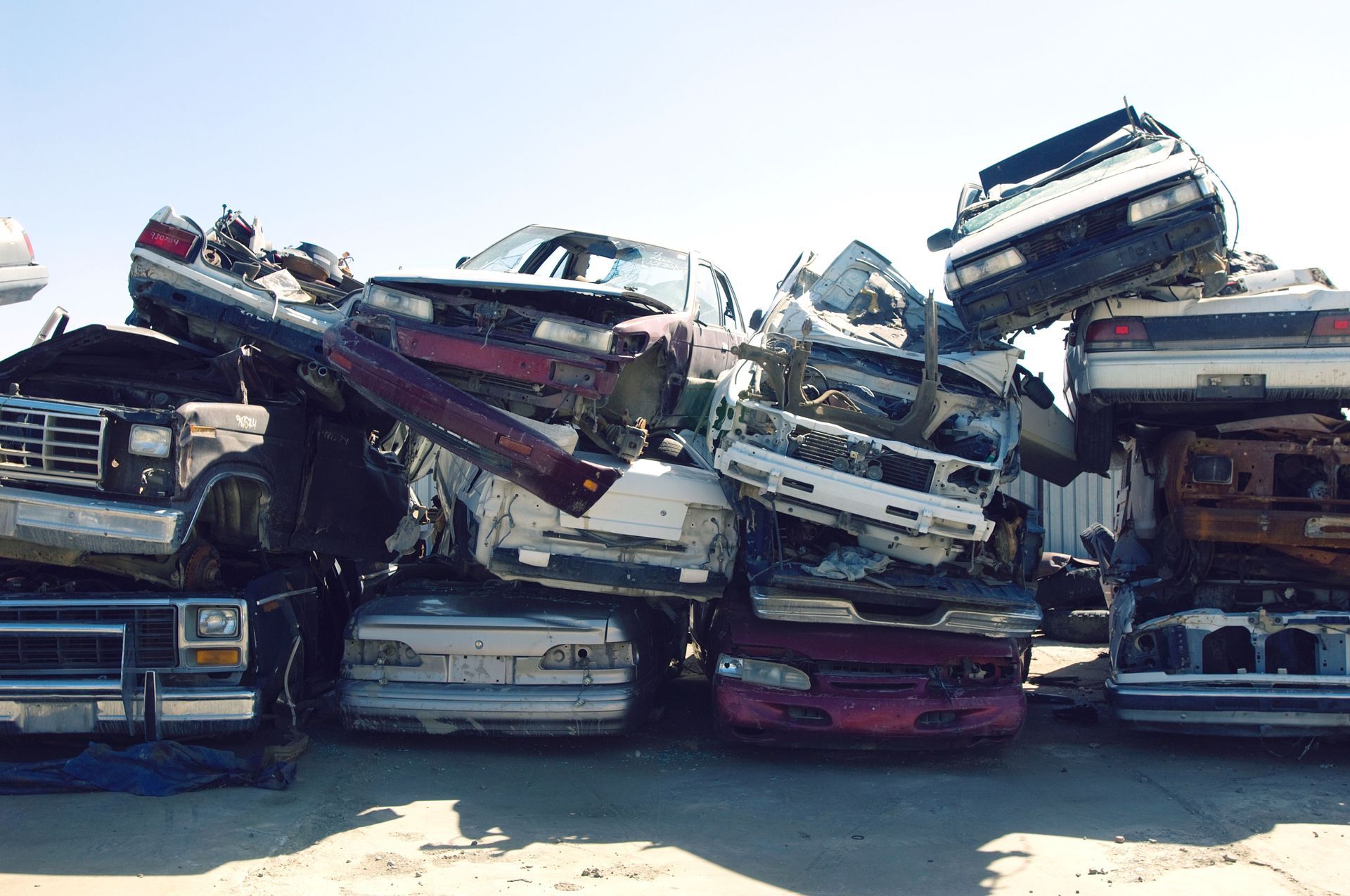
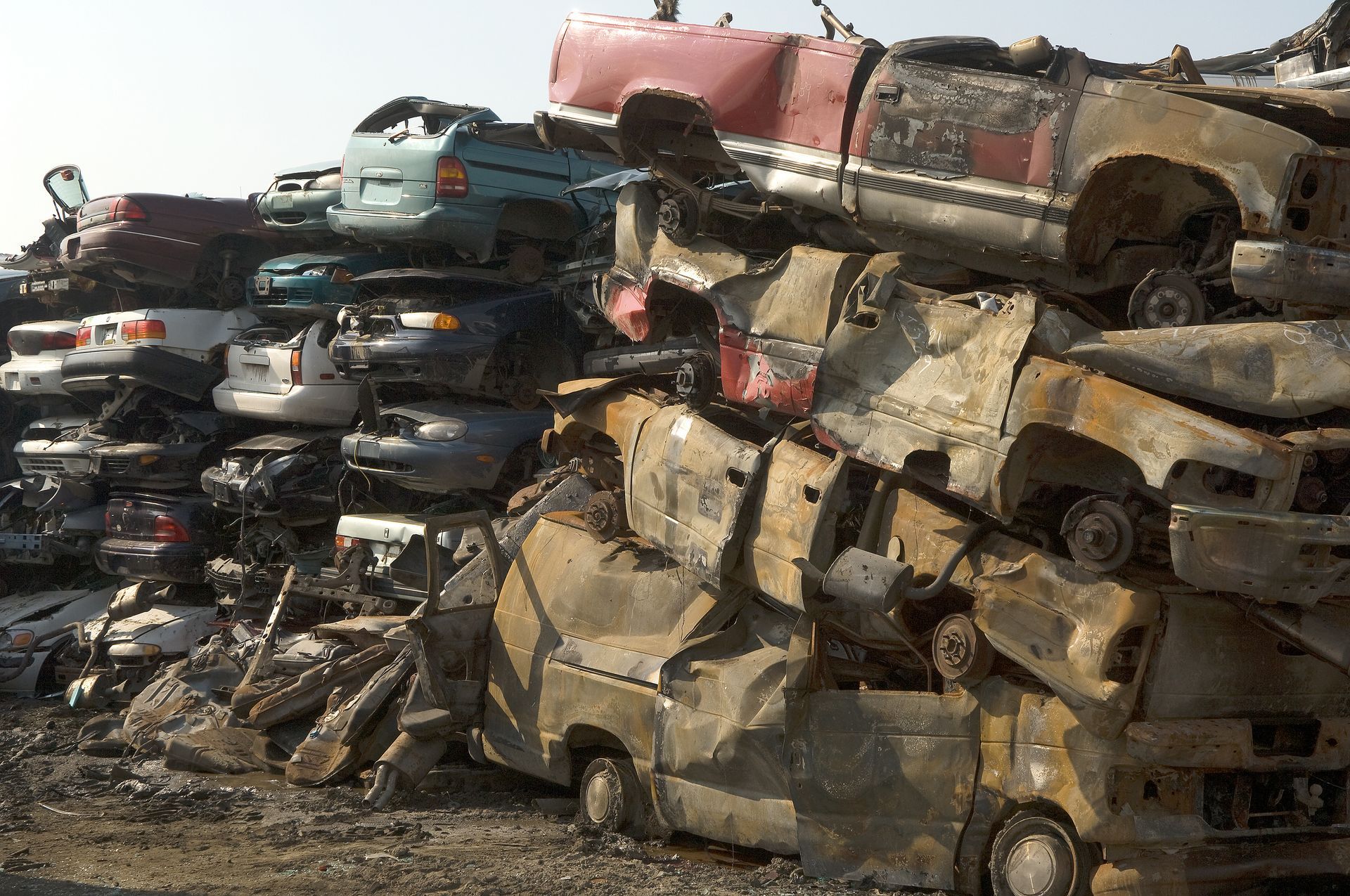
Auto salvage refers to the process of reclaiming parts from vehicles that are no longer functional or economically viable to repair and bringing such components back into use. This sector not only aids in conserving resources but also in reducing waste amidst rising automotive consumption. Salvage operations encompass disassembling vehicles, salvaging usable parts, and reselling them at a fraction of the new cost. This cycle significantly cuts down the need for brand-new parts, easing the strain on raw material extraction and manufacturing processes. The auto salvage industry serves as a bridge between new vehicle production and obsolescence, thus extending the lifecycle of vehicle components.
The History and Evolution of Auto Salvage Services
The inception of auto salvage services dates back to the early automotive era when recycling and repurposing parts became a necessity during economic downturns. Over the decades, technological advancements and regulatory frameworks have reshaped auto salvage standards, making them more efficient and environmentally conscious. Initial operations were modest and manual, with a primary focus on survival rather than sustainability or profit. Today, salvage yards are equipped with sophisticated inventory systems and recycling technology, elevating the process' efficacy significantly. The evolution of these services mirrors the shifting priorities and capabilities within both the ecological and economic realms.
Common Misconceptions About Auto Salvage
There are several misconceptions surrounding auto salvage, with some believing it merely relates to junk cars or low-quality parts. However, the reality is that auto salvage provides access to high-quality, thoroughly inspected parts and components that meet stringent industry standards. Another myth is that salvage yards damage the environment due to improper disposal practices, while in actuality, most yards adhere to rigorous environmental regulations. Furthermore, many overlook the economic viability of using salvaged parts, which can be much more cost-effective while maintaining quality. These misconceptions underscore the need for better public understanding and appreciation of the auto salvage industry's true value.
How Auto Salvage Differs from Junk Car Removal
Auto salvage and junk car removal, although related, have distinct roles within the automotive ecosystem. Auto salvage involves reclaiming and making use of parts from vehicles that might otherwise be discarded, while junk car removal typically focuses on disposing of non-operational vehicles without the intent of part reclamation. Salvage services contribute substantial value by salvaging functional parts, selling them, and reintroducing them into the market. Meanwhile, junk car removal services may either send the vehicle to recycling centers for scrap or dispose of it in less sustainable manners. The primary distinction lies in the approach and goal: repurposing and value generation versus simple disposal.
The Economic Importance of Auto Salvage Yards
Auto salvage yards hold considerable economic significance, offering employment opportunities and contributing to the local economy. According to IBISWorld, there are 1,382 businesses in the used car parts wholesaling industry in the United States, illustrating the sector's robust presence and influence. These yards serve as crucial links in the supply chain for car repairs, allowing cost-effective vehicle maintenance across various demographics. By reducing the need for new parts, salvage yards help cut costs for consumers and decrease the environmental burden of manufacturing. Consumer savings are complemented by a steady demand for salvaged parts, maintaining vitality in this economically integral industry.
How Auto Salvage Services Work
Initial Vehicle Assessment
Upon the receipt of a vehicle, a thorough assessment is conducted to determine the viability of salvaging its components. Technicians carefully evaluate which parts are in suitable condition and can be extracted for resale. This process requires expertise in vehicle mechanics to ensure that only high-quality, functional parts are selected. The initial assessment sets the tone for the subsequent stages of the salvage process, directly influencing efficiency and cost-effectiveness. It is a crucial step that underscores the industry's dual objectives of sustainability and economic viability.
Disassembly and Extraction Processes
The disassembly process involves carefully dismantling the vehicle in a way that preserves the integrity of usable parts. Specialists utilize both manual and mechanical tools to extract components such as engines, transmissions, doors, and other valuable assets. Once disassembled, parts go through a rigorous inspection and cleaning process to certify their resale quality. The skill set required for this phase marries mechanical knowledge with precision handling, ensuring minimal waste and maximum utility. The delicate balance between dismantling and preservation embodies the conscientious approach characterizing auto salvage.
Inventory Management Systems in Salvage Yards
Modern salvage yards rely on sophisticated inventory management systems to keep track of parts and facilitate their recovery and distribution. These systems include detailed databases that record the condition, quantity, and location of parts within the facility, simplifying the process of matching supply with customer demand. By effectively managing this inventory, salvage yards can maximize their operational efficiency and minimize the time between part extraction and sale. Advanced software solutions allow for immediate updates and accessibilities, streamlining both on-site operations and customer satisfaction. Efficient inventory control is the cornerstone of a successful salvage business model.
The Reselling of Salvaged Parts
Reselling is a major facet of the auto salvage business, where extracted parts are made available to consumers at a reduced price, offering significant savings over new components. Salvage yards utilize various channels, including on-site stores and online marketplaces, to reach a broad audience seeking affordable vehicle repairs or restorations. Every part sold undergoes robustness checks to ensure customer satisfaction and safety compliance, maintaining the industry's reputation for quality and reliability. The reselling process significantly contributes to circular economic practices, curtailing manufacturing demands for new, resource-intensive parts. Reinforcing the economic loop, resold parts furnish a lifeline to both vintage enthusiasts and practical car users.
Recycling and Environmental Standards
The environmental standards observed by salvage yards are critical in maintaining sustainable practices and mitigating automotive waste. Salvage operations adhere to rigorous guidelines, ensuring that non-salvageable parts are responsibly recycled or disposed of. For example, fluids, hazardous materials, and metals are separated out and treated to prevent environmental contamination. Such standards are not only legally mandated but also reflect a commitment to eco-friendly practices. By recycling over 80% of the vehicle's weight on average, salvage services substantially reduce landfill contributions, reinforcing the industry's role in ecological stewardship.
One of the primary attractions of auto salvage services is the significant cost savings they offer. Consumers can find high-quality used parts at a fraction of the price of new ones, prolonging vehicle life and reducing repair expenses. This affordability allows more individuals to maintain their vehicles efficiently, fostering an economy where car ownership remains accessible. It also supports budget-conscious consumers by providing viable options for vehicle maintenance without compromising on quality. These savings are further amplified by the diverse selection of rare parts, often inaccessible through traditional means. Be sure to reach out to A Plus Auto Salvage Inc today to learn more about our professional auto salvage services!